

What Types of Roof Warranties Cover Homes in Sanborn, NY?
Most residential roofs in Sanborn, NY are protected by two common categories of warranties: manufacturer warranties and workmanship (installation) warranties. The first covers material defects, while the second addresses issues caused by flawed installation work.
- Manufacturer's warranty: Provided by the roofing material producer, covering defects in shingles or other materials. Length typically ranges from 20 years to “lifetime,” though true coverage details often vary.
- Workmanship warranty: Supplied by the installation company; durations range from 1 year up to 10 years or more, specific to individual agreements.
Some homes may have additional coverage if a roof was installed as part of a larger development, or if previous owners purchased extended warranties during major repairs. Sanborn’s weather, including heavy winter snow and rapid freeze-thaw cycles, can bring warranty conditions into focus sooner than in milder regions.
How Can Homeowners Find Out What Their Roof Warranty Includes?
The most direct source is the physical warranty certificate, often included in the closing documents for your house or provided after roof replacement. In practice, many homeowners in Sanborn misplace these papers or inherit a roof without much documentation. If this applies:
- Check your home purchase paperwork for references to roofing work or warranty transfers.
- Ask prior owners (if possible) about any saved roof or warranty documents.
- Look for labels or documentation in the attic or garage—installers sometimes leave information behind.
- If the roof was recently installed, the permitting office may have related records, especially if inspections occurred.
Contacting the manufacturer (if the brand is known) can provide insight, but most companies will need proof of ownership, the installation date, and sometimes pictures or contractor information.
What Common Roof Issues Are Covered (and Not Covered)?
Roof warranty coverage in the area is mostly standardized, but misunderstandings are common.
Typically Covered:
- Premature shingle cracking, curling, or manufacturing defects
- Granule loss not associated with weather or aging
- Leaks resulting from defective products (for manufacturer warranties)
- Poor installation practices leading to early roof failure (workmanship warranties)
Commonly Not Covered:
- Storm, wind, hail, or ice dam damage (usually covered by homeowners’ insurance, not a roof warranty)
- Damage from improper attic ventilation, such as mold or rot
- Leaks due to clogged gutters, flashing failures, or external equipment (like satellite dishes)
- Problems from unapproved repairs or modifications by non-certified personnel
- General wear and tear after normal aging
Sanborn’s severe winter conditions and seasonal storms mean many common issues fall under exclusions, making it crucial for residents to distinguish between what’s a warranty issue and what’s likely an insurance claim.
Can Roof Warranties Transfer to New Owners in Sanborn, NY?
Most roof warranties allow for transfer if the property changes hands, but not all do. Some manufacturers or contractors permit one transfer (from builder to original buyer, or from one owner to the next), but others restrict transfers entirely.
Transfer requirements may include:
- Written notice to the warranty provider within 30–60 days of closing
- Payment of a transfer fee
- Proof of roof maintenance records
It’s a common misconception in the community that all warranties automatically follow the house. Overlooking the fine print may leave new homeowners with less protection than expected. Checking with the original provider is the surest way to confirm your coverage.
What Steps Help Local Residents Maintain Warranty Eligibility?
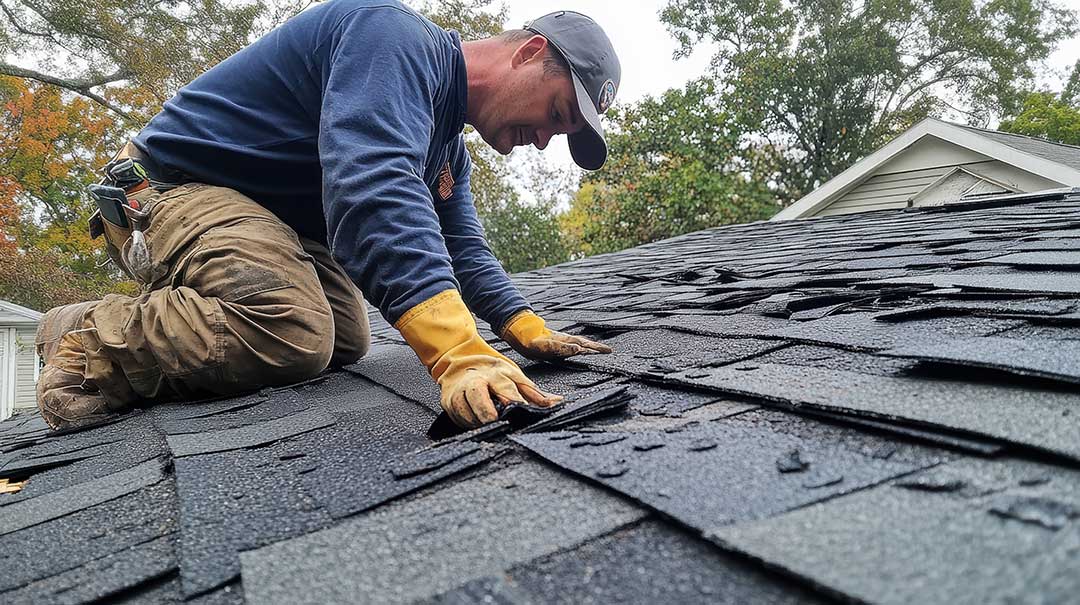
Routine roof care can be the difference between a valid claim and a denied one. While residents might assume a warranty covers all defects, most require basic maintenance as a condition.
- Practical steps include:
- Annual or seasonal roof inspections, especially after storms or heavy snowfall
- Prompt removal of moss, algae, or debris
- Keeping gutters and downspouts clear to prevent ice dams (a common issue locally)
- Avoiding unapproved modifications or puncturing the shingles with add-ons
Keep records or photos of roof maintenance and inspections; these can help prove compliance with warranty terms if a dispute arises.
Who Should Residents Contact for Warranty Questions or Problems?
Local warranty documents should list a number or website for claims. If that’s not available, the following can help:
- Material manufacturer’s customer service (for product defects)
- Original installer or builder (especially for workmanship warranty questions)
- Homeowners’ insurance agent (for weather or accident-related damage)
In the event of possible claim denial, residents can request a written explanation. Persistent problems with warranty coverage, or suspected misrepresentation, may be directed to state agencies such as the New York Department of State’s Division of Consumer Protection.
Are There Seasonal or Climate Considerations in Sanborn That Affect Warranty Claims?
Absolutely. Harsh winters and rapid seasonal transitions in Sanborn can amplify roof stress, leading to ice dams, shingle lifting, or water infiltration after thaws. Many warranties specifically exclude:
- Ice and water damage not prevented by proper insulation or ventilation
- Damage from standing snow or repeated freeze-thaw cycles
Area households benefit from proactive steps each autumn and spring, such as checking for loose shingles and clearing ice dams, to maintain eligibility for warranty service and prevent unintentional voiding of coverage due to weather-driven neglect.
What Are Common Misconceptions About Roof Warranties?
Residents frequently believe roof warranties are all-inclusive, covering any leak or visible problem for decades. In reality, most are limited in scope and time, and almost always exclude damage from weather events, insufficient maintenance, and problems created by other trades or subsequent remodeling.
Another misconception is that a “lifetime warranty” means literal lifetime coverage. In most cases, this term simply indicates 25–50 years or the “expected service life” of the material—coverage terms often become limited or prorated as years pass.
Understanding the fine print, maintaining basic care, and distinguishing between defect-related and weather-related damage will help local homeowners get the most from their investment and avoid frustration if an issue ever develops.
