
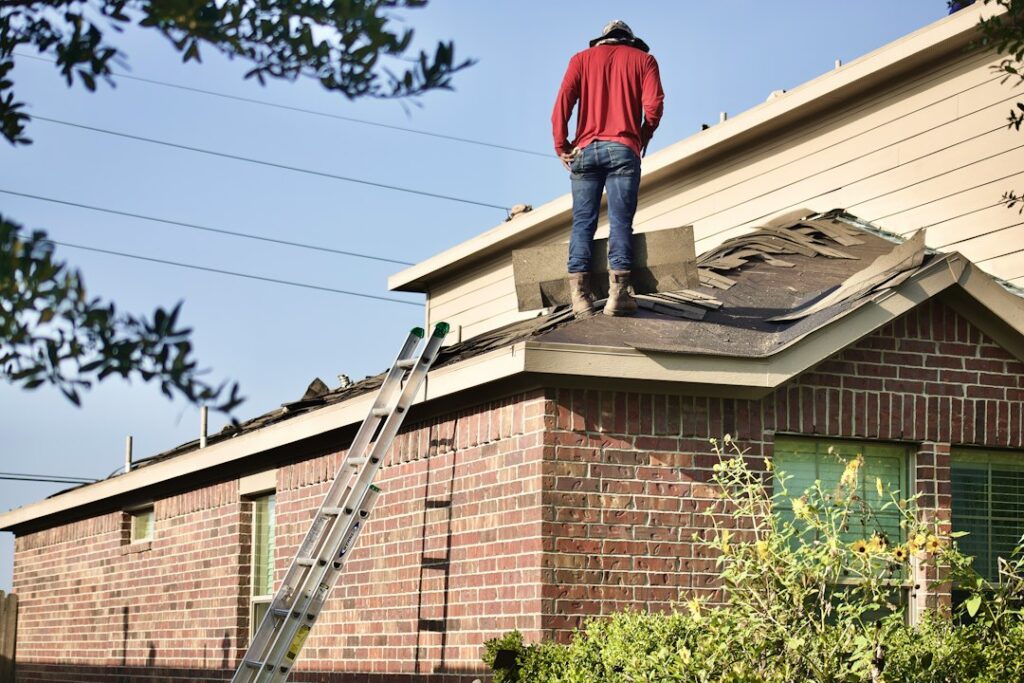
Roof aging does not look the same on every home. Asphalt shingles may lose their protective granules, metal panels may develop corrosion around fasteners, and slate can remain visually attractive while its flashing or underlayment deteriorates. Learning the warning signs for each roof type helps residents distinguish normal weathering from conditions that may allow water into the structure.
What does an aging roof usually look like?
An aging roof often shows several smaller changes before a major leak appears. Surface wear, fading, brittle materials, exposed fasteners, damaged flashing, and recurring repairs can all indicate that the roof system is approaching the later part of its service life.
Age alone does not determine condition. Installation quality, ventilation, drainage, tree exposure, snow loading, ice formation, and previous repairs also matter. In Sanborn, seasonal temperature swings, winter precipitation, wind, and freeze-thaw cycles can place repeated stress on roofing materials and the areas where different surfaces meet.
From the ground, look for:
- Uneven or sagging roof lines
- Missing, cracked, curled, or slipping roof coverings
- Dark stains or patches that remain after surrounding areas dry
- Excessive moss or organic debris
- Loose or damaged flashing around chimneys, vents, skylights, and wall intersections
- Gutters containing large amounts of roof granules
- Water stains on ceilings, upper walls, or attic framing
A roof can be aging even when it is not actively leaking. Many failures begin beneath the visible surface, especially around flashing, fasteners, valleys, and penetrations.
How can asphalt shingle aging be identified?
Asphalt shingles commonly show age through loss of granules, curling, cracking, blistering, and loss of a consistent surface texture. Granules protect the asphalt from sunlight and weather, so widespread bare areas are more significant than a few isolated spots.
Check for these patterns:
- Shingle edges curling upward or downward
- Cracks running through individual shingles
- Shingles that appear thin, brittle, or unusually smooth
- Missing tabs or shingles
- Bald areas where the underlying mat is visible
- Dark streaks or moss that conceal deteriorating surfaces
- Exposed or lifted nails
- Ridge caps that are cracked, loose, or missing
A small number of damaged shingles may result from wind or a localized event rather than overall aging. Broad deterioration across several roof slopes is more likely to indicate general wear.
Repeated patching is another clue. Repairs around valleys, eaves, and roof penetrations may address symptoms while older underlayment, flashing, or decking continues to age. Granules found in downspouts and gutters are especially useful evidence because they may reveal surface loss that is difficult to see from the yard.
What are the signs of an aging metal roof?
Metal roofs often remain serviceable for many years, but their weak points are usually seams, fasteners, penetrations, coatings, and drainage details rather than the panel surface alone.
Look for:
- Rust or pitting, particularly around screws and cut edges
- Loose, missing, or backed-out fasteners
- Opened seams or separated panel joints
- Peeling, chalking, or blistered coatings
- Water marks beneath overlapping panels
- Dents that hold water instead of draining
- Corrosion where dissimilar metals meet
- Loose flashing around chimneys, vents, and wall transitions
Some surface discoloration is cosmetic, but active corrosion can expand beneath a coating and weaken the metal. Fastener washers also become brittle over time, allowing water to enter around otherwise intact panels.
Metal expands and contracts as temperatures change. Over many seasons, that movement can enlarge openings at seams and penetrations. A roof may therefore look solid from a distance while developing small, repeated leaks at connection points.
How does aging appear on wood shingles and shakes?
Wood roofing ages through moisture exposure, ultraviolet light, drying, splitting, and biological decay. Healthy wood shingles generally retain a reasonably consistent thickness and lie flat. Aging materials may become rough, cupped, cracked, or soft.
Warning signs include:
- Shingles that split along the grain
- Cupped, curled, or loose pieces
- Fungal growth, moss, or persistent dampness
- Darkened areas associated with decay
- Soft spots or crumbling edges
- Excessive gaps between shingles
- Missing pieces that expose underlayment
Wood roofs need adequate drying time. Leaves and branches that remain on the surface can trap moisture and accelerate deterioration, especially in shaded areas. A few weathered shingles do not necessarily mean the entire roof has failed, but widespread softness or decay is more serious than surface discoloration.
Older wood roofing may also require caution during inspection. Walking on brittle shingles can cause breakage, and roofs with unknown materials or past additions should not be disturbed unnecessarily.
How can tile or slate roof aging be recognized?
Tile and slate can remain visually durable for decades, but the individual pieces are not the only part of the roof system. The underlayment, flashing, fasteners, valleys, and supporting structure may age sooner than the visible covering.
For clay or concrete tile, check for:
- Cracked, broken, or displaced tiles
- Powdering or surface erosion
- Loose ridge or hip tiles
- Damaged mortar at transitions
- Repeated repairs in the same area
- Water stains in the attic beneath valleys or penetrations

For slate, look for:
- Broken or missing slates
- Slates that are sliding downward
- Rusting or exposed nails
- Flaking layers on the slate surface
- Loose flashing
- Concentrated areas of replacement pieces
A common misconception is that a roof is sound simply because its slate or tile still looks attractive. These materials can outlast the components installed beneath them. Replacing broken pieces without addressing deteriorated flashing or underlayment may provide only a temporary improvement.
What should be checked on flat or low-slope roofs?
Flat and low-slope roofs often show aging through drainage problems rather than visibly missing pieces. Standing water, membrane splits, open seams, and failing edge details deserve close attention.
Common signs include:
- Ponding water that remains after reasonable drying time
- Cracks or splits in the membrane
- Blisters, bubbles, or lifted sections
- Open seams or failed patches
- Deteriorated flashing at parapets and penetrations
- Sagging areas where water collects
- Exposed insulation or deck material
- Interior stains below drains or roof edges
Drainage is central to the life of a low-slope roof. Leaves, ice, and debris can block drains or scuppers, allowing water to remain on the surface and place continuing stress on seams and the supporting structure.
Which indoor signs suggest roof aging?
Interior evidence can reveal problems that are not visible from the ground. Check attic spaces, upper ceilings, and exterior walls after heavy rain or during seasonal changes.
Useful clues include:
- Brown or yellow ceiling stains
- Peeling paint near upper walls
- Damp insulation
- Musty odors
- Mold-like growth on sheathing or framing
- Rusted nails or metal connectors
- Daylight visible through roof boards
- Sagging between rafters or trusses
A stain does not always identify the exact leak location. Water can travel along decking, rafters, insulation, or framing before appearing indoors. Wet insulation and wood members should not be ignored because prolonged moisture can affect both structural materials and indoor air quality.
How should residents inspect an aging roof safely?
A ground-level inspection is usually the safest starting point. Use binoculars to examine slopes, ridges, valleys, flashing, and roof penetrations. Check gutters for granules, shingle pieces, or metal fragments. Inside the attic, use a flashlight and avoid stepping between framing members.
Avoid climbing onto a roof that is wet, icy, steep, visibly sagging, or covered with fragile materials. Snow can hide missing shingles, damaged flashing, and unsafe walking surfaces. Any sign of structural sagging, active interior water entry, exposed electrical components, or suspected hazardous older materials calls for professional evaluation rather than do-it-yourself disturbance.
The most useful record is a simple timeline: installation date if known, major repairs, storm damage, recurring leak locations, and photographs taken from safe areas. Comparing those observations over time helps reveal whether the roof is experiencing isolated damage or broad age-related decline.
