
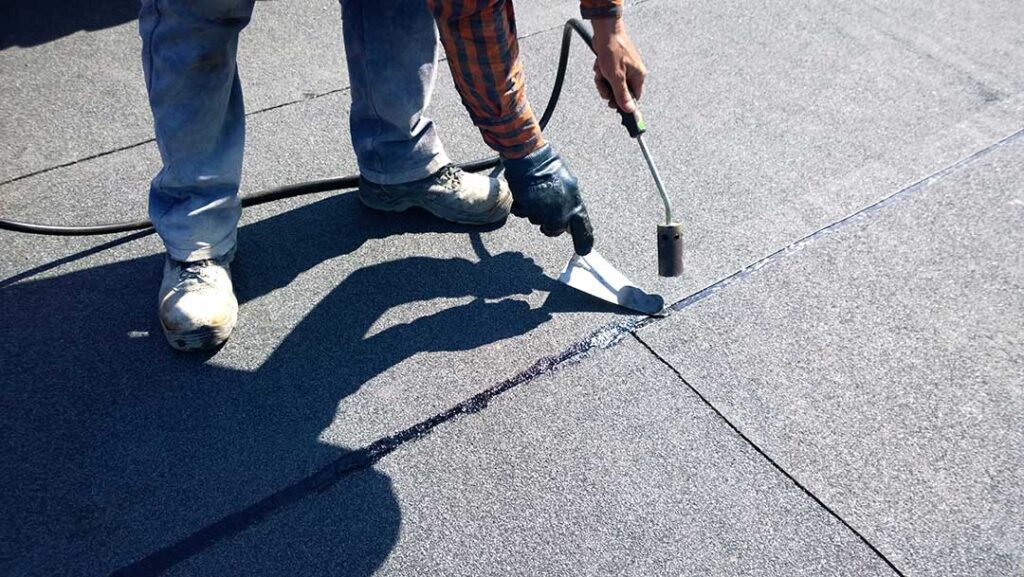
Roof problems do not stop during a public health emergency, severe storm, utility interruption, or other community crisis. A small leak can quickly damage insulation, ceilings, electrical components, and personal belongings, so the safest approach is to separate the situation into two decisions: what must be stabilized immediately and what can wait for permanent repair.
What should be treated as an emergency?
A roof problem is urgent when delaying action could threaten health, safety, or the building itself. Active water entering living areas, a partially collapsed roof, exposed electrical wiring, large areas of missing roofing, or a tree branch resting on the structure all deserve prompt attention.
Emergency conditions commonly include:
- Water entering near electrical fixtures, outlets, or wiring
- A ceiling that is bulging, sagging, or separating
- Roof framing that appears shifted, cracked, or unstable
- Large openings that expose the attic or interior to rain or snow
- Missing shingles or roofing materials after high winds
- Ice, branches, or other debris creating a falling hazard
- Mold growth or rapidly increasing dampness after a leak
Do not climb onto a roof during strong wind, rain, snow, freezing conditions, or poor visibility. Roof surfaces become especially hazardous during winter weather, and hidden structural damage may make walking on the roof unsafe. If the building appears unstable, leave the affected area and use emergency services when there is an immediate danger to people.
What can a homeowner safely do first?
The first safe step is to limit interior damage without placing anyone on the roof. Place containers under active drips, move furniture and electronics away from water, and use towels or plastic sheeting on floors. Avoid touching wet electrical equipment. If water is near electrical fixtures, shut off power to the affected circuit only if the electrical panel can be reached safely from a dry location.
From the ground, take photographs of missing materials, fallen branches, ceiling stains, and interior damage. Record the date, approximate time, weather conditions, and rooms affected. This documentation can help with insurance questions, disaster assistance, and later repair planning.
A tarp may reduce additional water entry, but it is not a permanent roof repair. FEMA describes temporary coverings as short-term protection intended to prevent further damage until permanent work can be completed. A tarp should not be installed by an untrained person on a steep, icy, damaged, or structurally uncertain roof. ([fema.gov](https://www.fema.gov/sites/default/files/documents/fema_iappg-1.1.pdf?utm_source=openai))
How should roof work be handled during COVID-19 or another respiratory illness outbreak?
Roof repairs can often be organized to reduce close contact, especially when most of the work occurs outdoors. The homeowner and workers should agree in advance on how they will communicate, enter the property, use bathrooms, exchange documents, and handle unexpected changes.
Useful precautions include:
- Share photographs and measurements electronically when practical.
- Discuss the repair by phone or video before anyone enters the home.
- Keep occupants away from the work zone, ladders, tools, and material deliveries.
- Open windows or improve ventilation when indoor access is necessary and weather permits.
- Avoid face-to-face meetings in enclosed areas.
- Clean frequently touched surfaces after indoor work.
- Reschedule non-emergency indoor access when someone is sick.
- Use masks or other added precautions when a resident or worker has symptoms, has recently been exposed, or is medically vulnerable.
Current CDC respiratory-illness guidance emphasizes staying home and away from others while sick, improving cleaner air, practicing hand hygiene, and using additional precautions when illness or exposure creates greater risk. These measures apply broadly to COVID-19, influenza, RSV, and other respiratory infections. ([cdc.gov](https://www.cdc.gov/respiratory-viruses/prevention/?utm_source=openai))
A practical arrangement may involve a short exterior inspection, a written description of the immediate work, and photographs showing the completed temporary repair. This reduces the need for repeated indoor visits while still creating a useful record.
Should a leaking roof wait until a crisis has passed?
A roof leak that is actively damaging the home should not automatically be postponed. New York’s emergency-construction guidance during the COVID-19 emergency treated work necessary to protect occupants’ health and safety, or work that could become unsafe if left unfinished, differently from nonessential improvements. The exact rules can change during each emergency, so current state and local requirements should be checked before work begins. ([esd.ny.gov](https://esd.ny.gov/guidance-executive-order-2026?utm_source=openai))
The distinction is between stabilization and improvement. Covering an opening, securing loose materials, stopping active water entry, or preventing a dangerous collapse may be necessary. Replacing an otherwise serviceable roof for appearance, upgrading materials, or beginning a large remodeling project may be reasonable to defer if conditions are unsafe or access is limited.
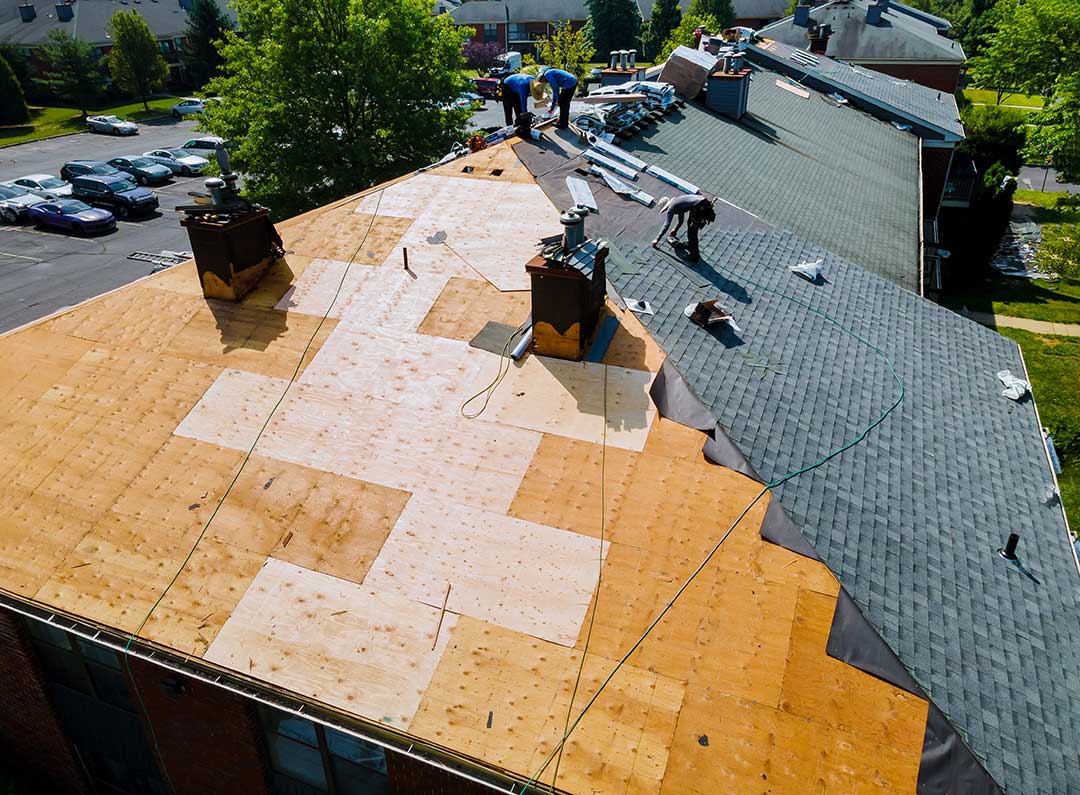
For residents in Sanborn, winter cold, freeze-thaw cycles, lake-effect precipitation, and wind can make a minor roof defect worse. Water can enter beneath shingles, freeze, expand, and damage underlayment or roof decking. A temporary measure may be appropriate, but it should be monitored until permanent repairs are possible.
What should renters do if a roof problem affects the home?
Tenants should promptly notify the landlord or property manager in writing, describe the location of the leak, and keep copies of photographs and messages. If water affects heat, electricity, habitability, or personal safety, state that clearly rather than describing the issue only as a cosmetic concern.
Do not make roof repairs or place a tarp on the roof without permission. Tenants should also avoid using areas with active ceiling damage or exposed wiring. New York guidance has recognized heat, hot water, and other basic conditions as essential housing concerns, while also advising tenants to use local code-enforcement channels when serious conditions are not addressed. ([ag.ny.gov](https://ag.ny.gov/press-release/2020/attorney-general-james-issues-tenant-guidance-new-yorkers-during-coronavirus?utm_source=openai))
How do insurance, permits, and disaster assistance fit in?
Before removing damaged materials, photograph the condition from several angles and keep receipts for emergency supplies or water-mitigation work. Insurance policies differ, and coverage may depend on the cause of damage, maintenance history, deductibles, and whether additional damage could have been prevented.
If a formally declared disaster affects the area, FEMA assistance may be available for eligible homeowners whose primary homes have disaster-related damage and are unsafe to live in, particularly when insurance does not cover the loss. Eligible repairs can include certain roof damage, but assistance is not automatic and depends on the disaster declaration, inspection, ownership, occupancy, and other requirements. ([fema.gov](https://www.fema.gov/sites/default/files/documents/fema_ia-quick-reference_habitability.pdf?utm_source=openai))
Building-code requirements still matter during a crisis. New York State’s Uniform Code governs covered construction, alteration, and repair work, and the state’s 2025 Uniform Code became fully effective on December 31, 2025. Whether a specific roof repair requires a permit depends on the work and the enforcing authority, so emergency stabilization should be distinguished from permanent reconstruction. ([dos.ny.gov](https://dos.ny.gov/division-building-standards-and-codes-frequently-asked-questions?utm_source=openai))
What information should be prepared before roof work begins?
A clear written record helps prevent confusion when supply chains, staffing, weather, or public-health conditions are changing. Prepare:
- The address and best way to reach the occupants
- A description of the leak or visible damage
- Photographs from inside, outside, and the attic if it is safe to enter
- The date the problem was first noticed
- Recent storm, wind, snow, or ice conditions
- Whether anyone in the household is sick or medically vulnerable
- Areas that workers should avoid
- Any known electrical, structural, or access hazards
- Insurance claim information, if applicable
The goal during any crisis is not to complete every roofing project immediately. It is to keep people safe, stop preventable damage, reduce unnecessary indoor contact, document conditions carefully, and complete permanent work when it can be done safely and in compliance with applicable requirements.
