
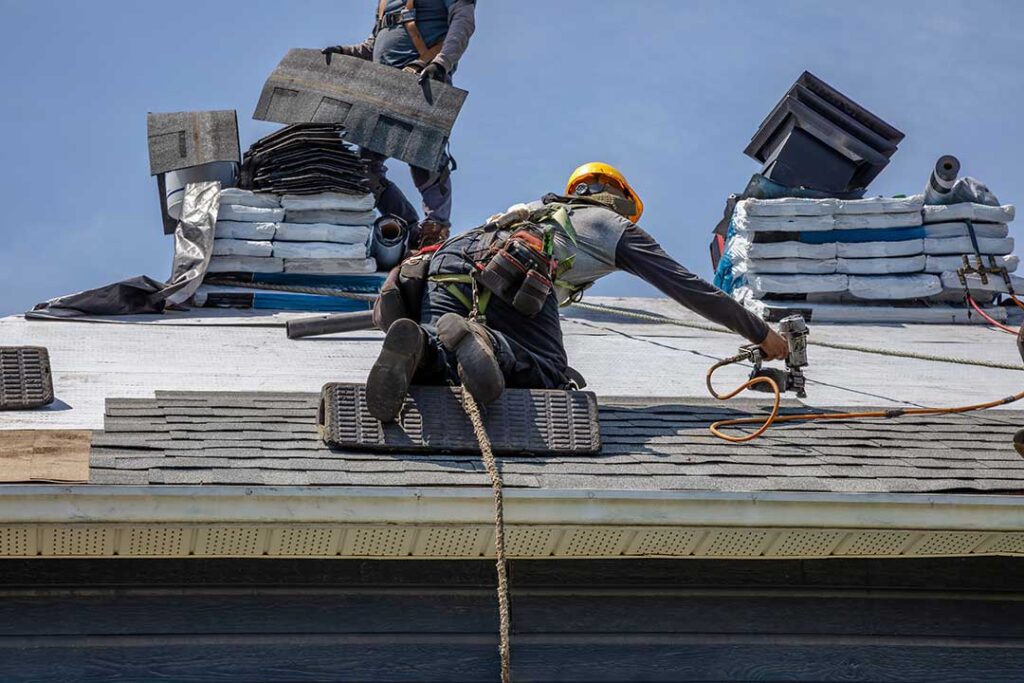
Replacing a roof is usually associated with preventing leaks and protecting the structure. It can also affect household energy use, especially when the existing roof has damaged decking, inadequate insulation, poor ventilation, or dark, heat-absorbing materials.
For residents in Sanborn, NY, the energy impact is often most noticeable during long heating seasons, when heat loss through the upper part of a home can contribute to higher fuel or electricity use. A roof replacement does not automatically reduce utility bills, but it can improve the building envelope when roofing, insulation, air sealing, and ventilation are addressed together.
Can a roof replacement really reduce energy bills?
Yes, but the savings usually come from correcting several roof-related problems rather than simply installing new shingles. A replacement can help limit heat loss in winter, reduce unwanted heat gain in summer, and improve the performance of attic insulation.
A roof may contribute to high energy bills when it has:
- Missing or compressed insulation
- Gaps around attic penetrations
- Damaged or poorly installed roof decking
- Blocked soffit or ridge ventilation
- Moisture damage that reduces insulation performance
- Dark roofing surfaces that absorb substantial solar heat
- Air leaks between the living space and attic
If the existing roof is still in sound condition, targeted attic improvements may provide more energy benefit than replacing the entire roof. Roof replacement becomes more relevant when the roofing system is already near the end of its service life or has widespread damage.
How does a new roof help during cold Sanborn winters?
Most winter energy loss related to the roof occurs through the attic floor and air leaks, not through the shingles alone. Warm air naturally rises, and if the attic is poorly insulated or connected to the living space through gaps, heated indoor air can escape.
A roof replacement provides an opportunity to inspect the entire upper assembly. Improvements may include:
- Adding insulation to appropriate levels
- Sealing gaps around plumbing vents, wiring, chimneys, and recessed fixtures
- Repairing damaged roof decking
- Keeping soffit vents clear
- Improving balanced intake and exhaust ventilation
- Correcting areas where insulation has shifted or become wet
These measures help keep heated air inside the home and reduce cold surfaces where condensation can occur. In a snow-prone climate, better insulation and air sealing may also help limit uneven roof temperatures that contribute to ice dam formation.
A new roof by itself does not create a warm attic. If insulation and air leakage problems remain, energy performance may change very little after the shingles are replaced.
Can a new roof make a home cooler in summer?
It can, particularly when the roof replacement includes better ventilation and a roofing surface that reflects more sunlight. During sunny weather, roofing materials absorb solar energy and transfer some of that heat into the attic. A hot attic can increase the workload on air-conditioning equipment.
Ventilation helps remove heat from the attic, but it must be designed as a complete system. Intake vents near the lower roof edge need to work with exhaust vents higher on the roof. Adding exhaust vents without adequate intake air can produce limited results and may not solve the underlying problem.
Reflective roofing materials can also reduce heat absorption. However, their value depends on the home’s roof design, attic insulation, ventilation, tree cover, and cooling needs. In a heating-dominated climate, a highly reflective roof is not automatically the most cost-effective choice for every household.
Why does attic insulation matter more than shingles?
Shingles are the weatherproof outer layer, but attic insulation usually has a larger direct effect on heating and cooling demand. Insulation slows the movement of heat between the living space and the attic. Shingles primarily protect the roof from rain, snow, wind, and sunlight.
During a replacement, it may be possible to identify insulation that is:
- Too thin for the home
- Unevenly distributed
- Compressed
- Wet or mold-affected
- Blocking ventilation channels
- Missing near attic edges
Insulation should not be packed tightly against ventilation openings at the eaves. Blocked airflow can cause moisture problems and shorten the life of the roof assembly. Proper air sealing should generally occur before additional insulation is installed, because insulation alone does not reliably stop air movement.
Does roof color affect energy use?
Roof color can influence surface temperature, but it is only one factor in whole-home energy performance. Dark surfaces generally absorb more solar radiation than lighter or more reflective surfaces. The difference may be more noticeable on homes with low attic insulation or limited ventilation.
For many homes, the greater energy priorities are:
1. Sealing air leaks between the house and attic
2. Installing adequate insulation
3. Maintaining clear, balanced ventilation
4. Repairing moisture damage
5. Selecting roofing materials suited to the roof design and local weather
A color change may provide a modest benefit, but it cannot compensate for major insulation or air leakage problems.
How do moisture and ventilation affect utility costs?
Moisture problems can make insulation less effective and damage wood components. In winter, warm indoor air that enters a cold attic may condense on roof sheathing. Over time, this can contribute to rot, corrosion, mold growth, and deteriorated insulation.
Ventilation helps manage heat and moisture, but excessive ventilation is not a substitute for air sealing. The goal is to prevent conditioned indoor air from reaching the attic while allowing the attic to exchange air with the exterior.
Warning signs of roof-related moisture or ventilation concerns include:
- Frost or water staining on the underside of the roof deck
- Musty attic odors
- Peeling paint near upper ceilings
- Damp or settled insulation
- Mold-like growth on wood surfaces
- Persistent winter ice buildup along roof edges
These conditions should be evaluated carefully because the cause may involve the roof, attic, bathroom exhaust, ductwork, or several systems at once.
What should homeowners ask before replacing a roof for energy reasons?
Energy savings should be treated as part of a roof assessment, not as an automatic promise attached to a new roof. Useful questions include:
- Is the attic insulation adequate and evenly installed?
- Are air leaks present around penetrations and ceiling openings?
- Are soffit and exhaust vents functioning as a balanced system?
- Has moisture damaged the roof deck or insulation?
- Would repairs and attic improvements solve the problem without full replacement?
- Is the proposed roofing material appropriate for the home’s ventilation and climate conditions?
- Are local building requirements relevant to the planned work?
Utility bills also reflect window performance, heating equipment, thermostat settings, duct leakage, occupant habits, and weather. A roof replacement may help, but it is only one part of the home’s energy profile.
When is a roof replacement most likely to improve efficiency?
The greatest opportunity usually exists when an aging roof is being replaced at the same time that attic deficiencies are corrected. A home with failing roofing, wet insulation, significant air leaks, and blocked ventilation may see better comfort and more stable indoor temperatures after the entire assembly is repaired.
If the roof is watertight and structurally sound, energy improvements may begin with attic air sealing and insulation rather than a full replacement. Roof work becomes more urgent when there are active leaks, widespread shingle loss, damaged decking, recurring ice dams, or evidence that moisture is affecting the structure.
The practical lesson is simple: a new roof can support lower energy use, but the shingles are only one part of the system. The most meaningful results usually come from combining sound roofing, effective insulation, controlled air movement, and properly managed attic ventilation.
