
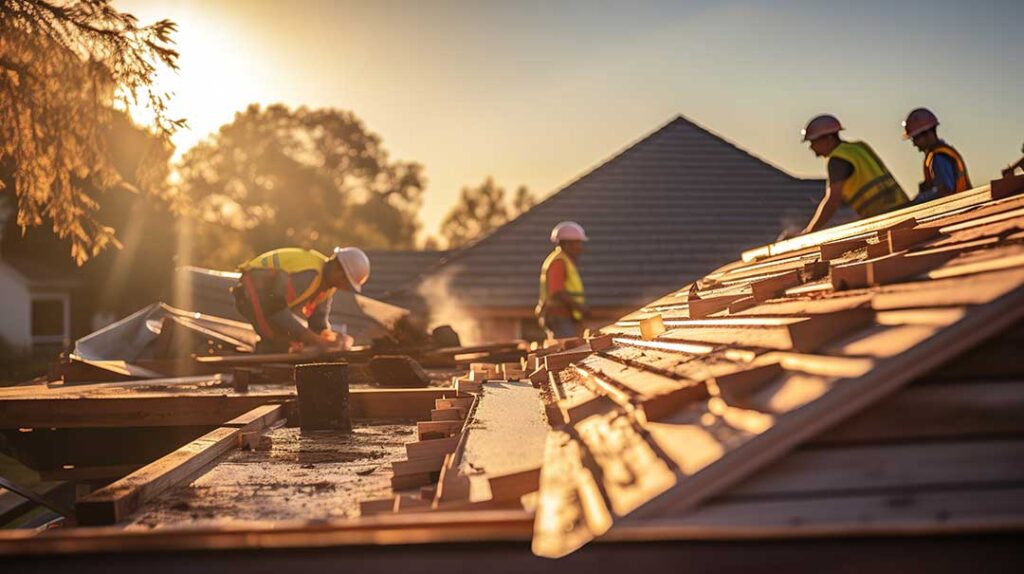
What does a roof fire rating mean?
A roof fire rating describes how a roof covering or complete roof assembly performs when exposed to fire. It does not mean a roof is fireproof. Instead, the rating indicates how well the roof resists flame spread, burning embers, and fire penetrating through the roof under standardized testing.
For homeowners in Sanborn, NY, the rating is most often shown as Class A, Class B, Class C, or unrated. Class A provides the strongest performance against exterior fire exposure. The rating applies to a tested roofing system, not always to one material by itself.
That distinction matters because a roof may include shingles or panels, underlayment, roof sheathing, insulation, and other layers. Changing one part of the assembly can affect the tested rating.
What are Class A, B, and C roof ratings?
The three main classifications describe relative performance during fire testing:
- Class A: The highest level of protection. A Class A roof assembly is designed to resist severe fire exposure, limit flame spread, and reduce the chance of fire passing through the roof deck.
- Class B: Provides moderate protection against fire exposure. It performs less effectively than Class A but better than Class C.
- Class C: Provides basic protection against light fire exposure. It is the lowest of the three recognized classifications.
- Unrated: Has not been shown to meet one of these classifications under the applicable testing standard.
Testing commonly evaluates flame spread, the ability of burning material to remain on the roof, and whether fire penetrates through the roof covering. The testing does not predict every possible house fire, especially fires involving strong winds, nearby structures, electrical systems, or combustible debris.
Which roofing materials commonly receive a Class A rating?
Many commonly used roofing products can be part of a Class A assembly, but the exact rating depends on the product, installation method, roof deck, slope, and supporting materials.
Examples may include:
- Fiberglass asphalt shingles listed for Class A use
- Concrete or clay tile
- Slate
- Certain metal roof systems
- Some membrane roofing systems
- Some photovoltaic roof products or panel assemblies
A metal roof is not automatically Class A. A metal panel, its underlayment, the roof deck beneath it, and the installation details all affect the final classification. The same principle applies to asphalt shingles, tile, and other coverings.
Some products achieve Class A by assembly. This means the covering reaches the rating only when installed with specified underlayment, sheathing, insulation, or other components. A product label that says “Class A by assembly” should be read together with the manufacturer’s tested installation instructions.
Is Class A the same as fire-resistant?
No. Class A is a roof-covering classification, not a guarantee that the entire building will withstand a fire.
A Class A roof may help slow ignition from an exterior fire, but other parts of the building remain vulnerable. Wind-blown embers can enter through attic vents, gaps, roof edges, gutters, soffits, or damaged areas. Fire can also spread through walls, windows, decks, fences, stored materials, or attached structures.
Roof condition matters as well. Missing shingles, exposed underlayment, open seams, cracked flashing, and heavy debris can create weak points even when the original roofing system was tested as Class A.
Why does the roof assembly matter more than the surface material?
The roof covering is only the top layer. Fire performance can depend on the interaction of several components, including:
- The roof covering
- Underlayment
- Roof sheathing or deck
- Insulation
- Ventilation openings
- Fasteners and attachment methods
- Roof slope
- Roof edges and transitions
- Solar equipment installed above or within the roof
For example, replacing a roof covering without following the listed underlayment requirements may produce a system that no longer matches the tested assembly. Likewise, installing solar panels does not eliminate the need to consider the fire classification of the roof and the panel system together.
The 2025 Residential Code of New York State, fully effective statewide on December 31, 2025, includes requirements for roof fire classifications and rooftop photovoltaic systems. The code generally refers to tested roof assemblies and recognized testing methods rather than relying only on the name of a roofing material.
What should homeowners check on roofing paperwork?
Product packaging, installation instructions, inspection documents, or permit records may identify a roof’s fire classification. Useful terms to look for include:
- Class A roof assembly
- UL 790
- ASTM E108
- Listed roof assembly
- Fire classification
- Tested assembly number
- Underlayment requirements
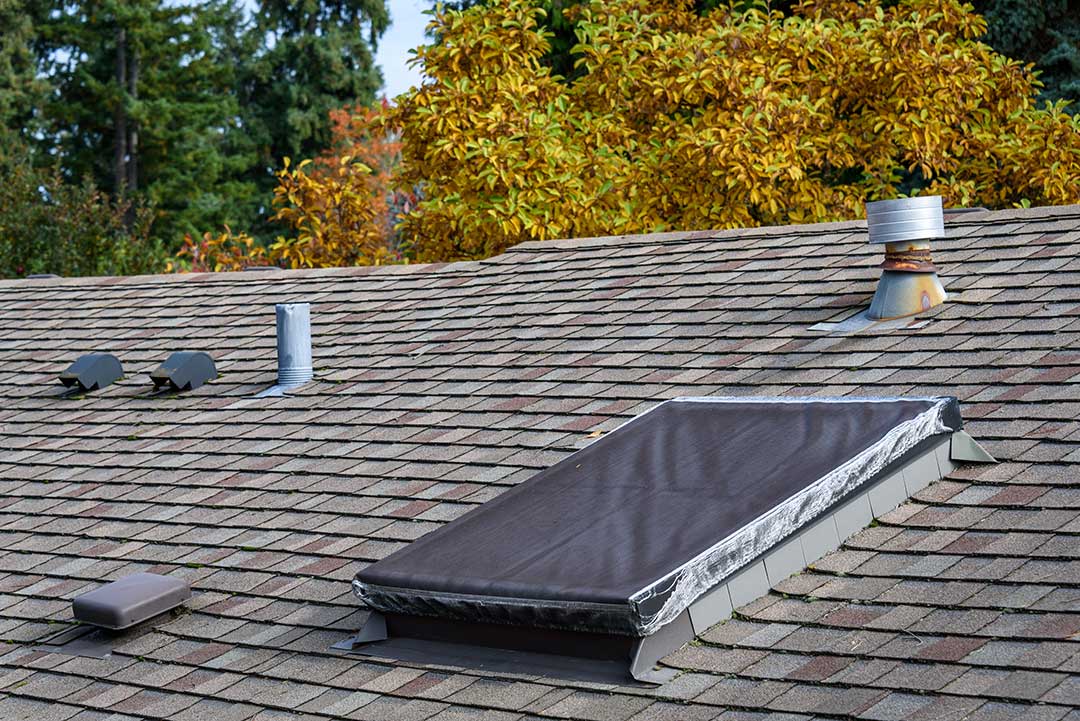
A rating shown for a shingle or panel may not describe the entire roof unless the supporting materials and installation match the tested configuration.
If records are unavailable, the visible roofing material alone may not be enough to determine the rating. Older homes can also contain several layers from different reroofing projects, making the assembly more difficult to identify.
Does age affect a roof’s fire rating?
The original classification does not automatically disappear with age, but deterioration can reduce real-world fire performance. Sun exposure, freeze-thaw cycles, wind, moss, fallen branches, and repeated repairs can damage the roof surface and its supporting layers.
Seasonal weather in the area can make routine observation useful. After winter, check for lifted or missing shingles, exposed underlayment, cracked sealant, damaged vents, and debris collected in valleys or along roof edges. These conditions are not only moisture concerns; they may also affect how the roof responds to embers or exterior flame.
A roof’s rating also may not carry over after repairs if replacement materials differ from the original tested system. Mixing products without confirming compatibility can create uncertainty about the complete assembly.
Are untreated wood shingles automatically unsafe?
Untreated wood shakes and shingles generally do not provide the same fire performance as a listed Class A roof assembly. Some wood products are treated and tested for a fire classification, but treatment alone is not enough. The bundle, treatment process, installation method, and supporting layers must all meet the applicable requirements.
Wood roofing also requires attention to debris, drying, maintenance, and clearances around chimneys or other heat-producing equipment. A material’s appearance does not reveal its classification.
What can reduce roof-related fire risk?
Roof fire protection involves more than selecting a rating. Homeowners can reduce avoidable risks by:
- Keeping gutters and roof valleys clear of dry leaves and accumulated debris
- Replacing damaged or missing roof coverings
- Maintaining flashing around chimneys, vents, skylights, and roof intersections
- Keeping combustible storage away from attic heat sources and electrical equipment
- Checking that attic vents are intact and properly screened
- Following listed installation instructions for solar panels and rooftop equipment
- Keeping tree limbs from rubbing against or resting on the roof
- Confirming that repairs use compatible materials
Chimney clearances, electrical wiring, heating equipment, and rooftop solar systems may involve separate safety requirements. Roof fire classification should therefore be considered one part of a broader fire-safety plan rather than a complete measure of household protection.
What is the most practical way to compare roofing options?
Start by asking whether the complete proposed roof assembly has a Class A listing and what components are required to achieve it. Compare the installation instructions, not just the visible covering.
For an existing home, the most useful information may come from permit records, product labels, prior invoices, attic observations, and the condition of the roof deck and underlayment. If a roof has active fire damage, exposed wiring, structural damage, or unsafe access conditions, it should not be examined casually from the roof surface.
A Class A rating is a valuable performance measure, but it works best when the full roof system is installed correctly, kept in sound condition, and protected from preventable hazards such as debris, damaged flashing, and poorly installed rooftop equipment.
